
Why Are Bees Necessary? The Critical Role Bees Play in Our Food and Ecosystems
If you’ve ever wondered “Why are bees necessary?”, the answer is simple: bees are essential to our food supply, ecosystems, and economy. Without bees, many of the fruits, vegetables, and nuts we rely on every day would dramatically decline — and entire ecosystems would struggle to survive.
In this article, we’ll break down exactly why bees are important, how they support agriculture, and what happens if bee populations continue to decline.
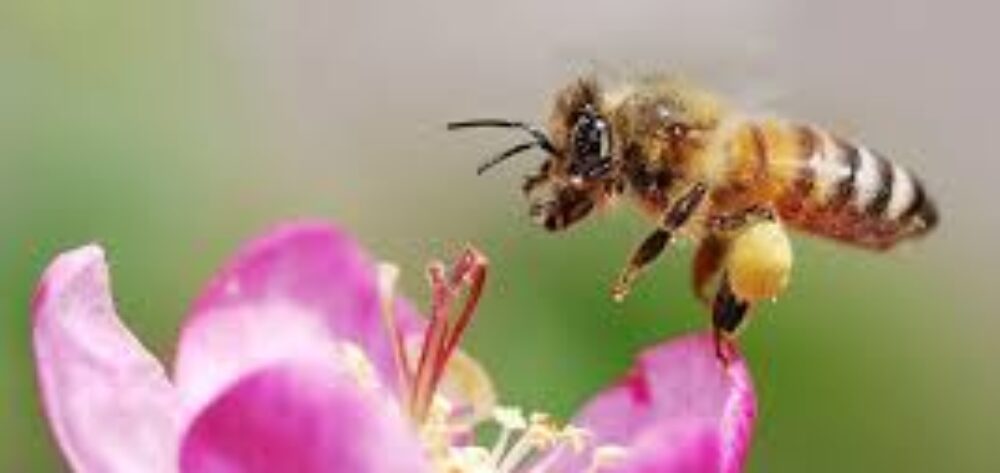
Bees are among the world’s most effective pollinators. Pollination occurs when pollen is transferred between flowers, allowing plants to produce fruit, vegetables, and seeds.
According to agricultural research:
- About 75% of flowering plants depend on animal pollinators
- Roughly one-third of the food we eat relies directly on pollination
- Many high-value crops depend almost entirely on bees.
🌱Crops That Depend on Bees
- Almonds
- Apples
- Blueberries
- Cucumbers
- Pumpkins
- Avocados
Without bees, these crops would experience reduced yields, lower quality, and higher prices.
In short: No bees, no food diversity.
Bees don’t just support farms — they maintain natural ecosystems.
Wild plants rely on bees for reproduction. Those plants then:
- Provide food for birds and mammals
- Support insect populations
- Prevent soil erosion
- Maintain biodiversity
If bees disappear, the loss would ripple throughout the food chain, affecting wildlife, plant life, and overall environmental stability.
💰 The Economic Importance of Bees
Bees contribute billions of dollars annually to global agriculture through pollination services.
In the United States alone, pollination services are valued at over $15 billion per year. Certain crops — like almonds — depend almost entirely on managed honey bee colonies.
If bee populations continue to decline:
- Farmers face lower yields
- Food prices rise
- Supply chains become unstable
Bees are a cornerstone of modern agriculture.
⚠️ What Happens If Bees Go Extinct?
A world without bees would mean:
- Reduced fruit and vegetable availability
- Higher grocery costs
- Loss of plant diversity
- Weakened ecosystems
- Increased pressure on artificial pollination methods
While other pollinators exist (such as butterflies and bats), bees are the most efficient and widespread pollinators across agricultural systems.
Replacing bees at scale would be extremely costly and likely unsustainable.
🐝 Why Are Bees Declining?
Understanding why bees are necessary also means understanding why they’re in danger.
Major threats include:
- Habitat loss
- Pesticide exposure
- Climate change
- Parasites and disease
These pressures weaken colonies and reduce pollination capacity worldwide.
💡 Final Thoughts: Why Protecting Bees Matters
Bees are necessary because they:
✔ Support global food production
✔ Maintain biodiversity
✔ Strengthen ecosystems
✔ Drive agricultural economies
✔ Provide natural resilience against environmental change
They may be small, but bees are foundational to life as we know it.
Protecting bees isn’t just about conservation — it’s about safeguarding our food supply, our economy, and our future.


Leave a Reply